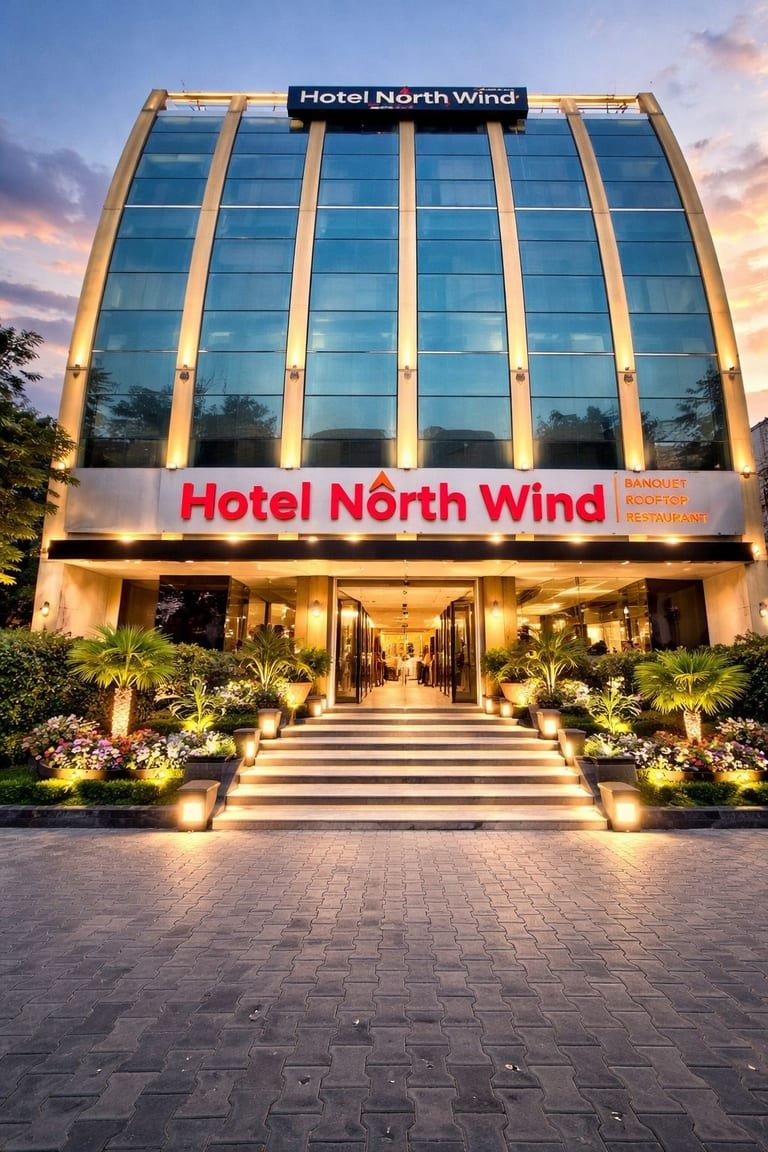
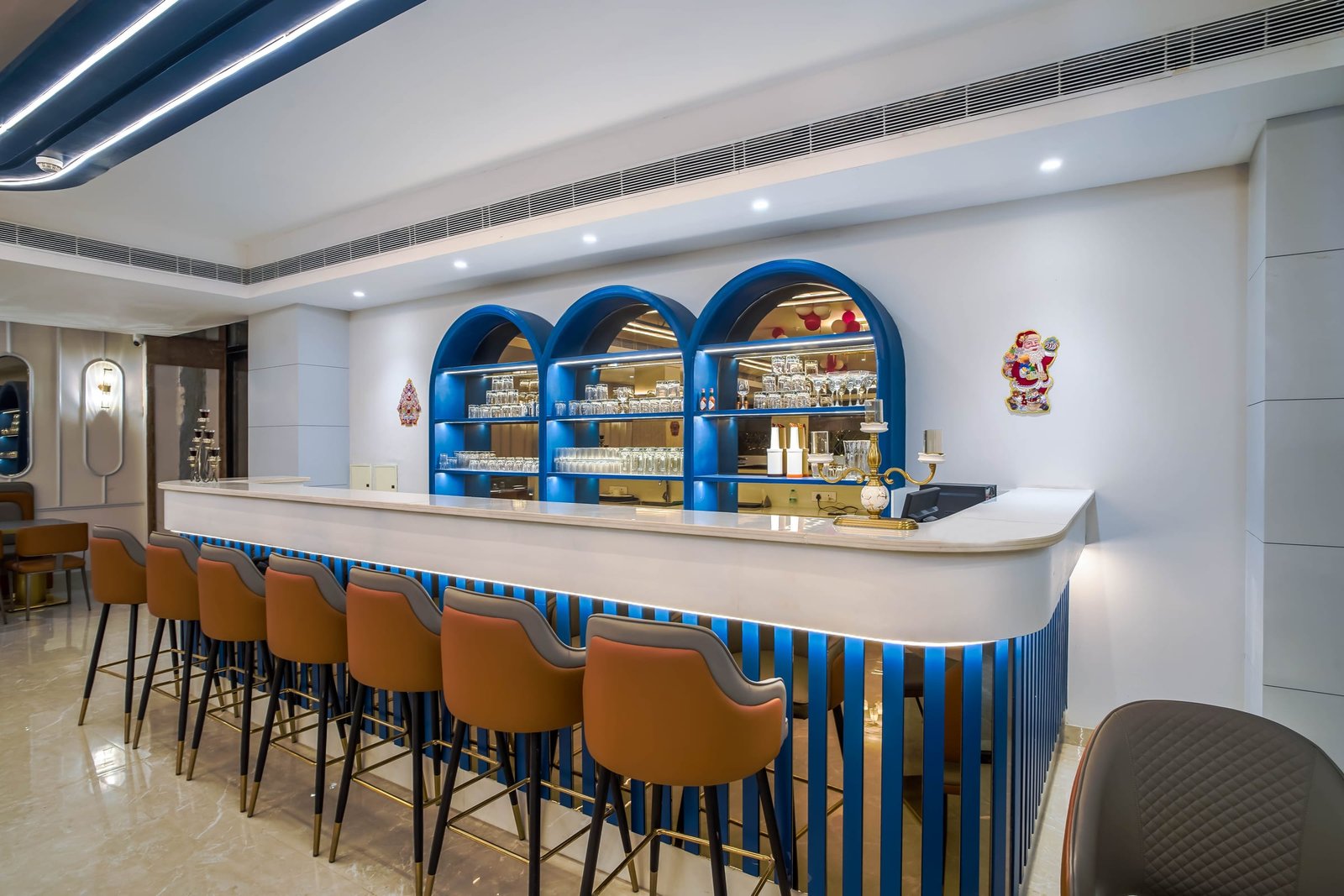
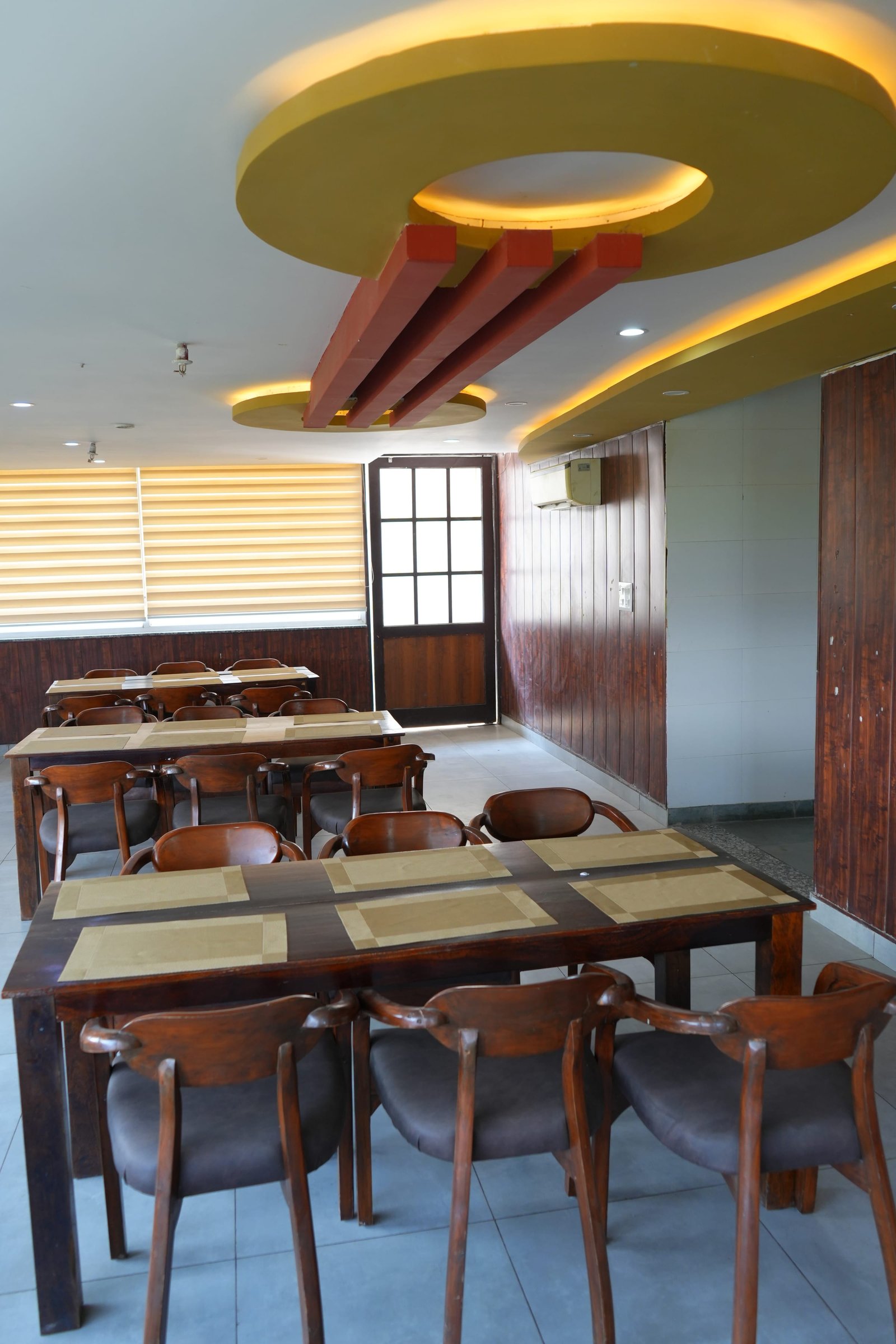
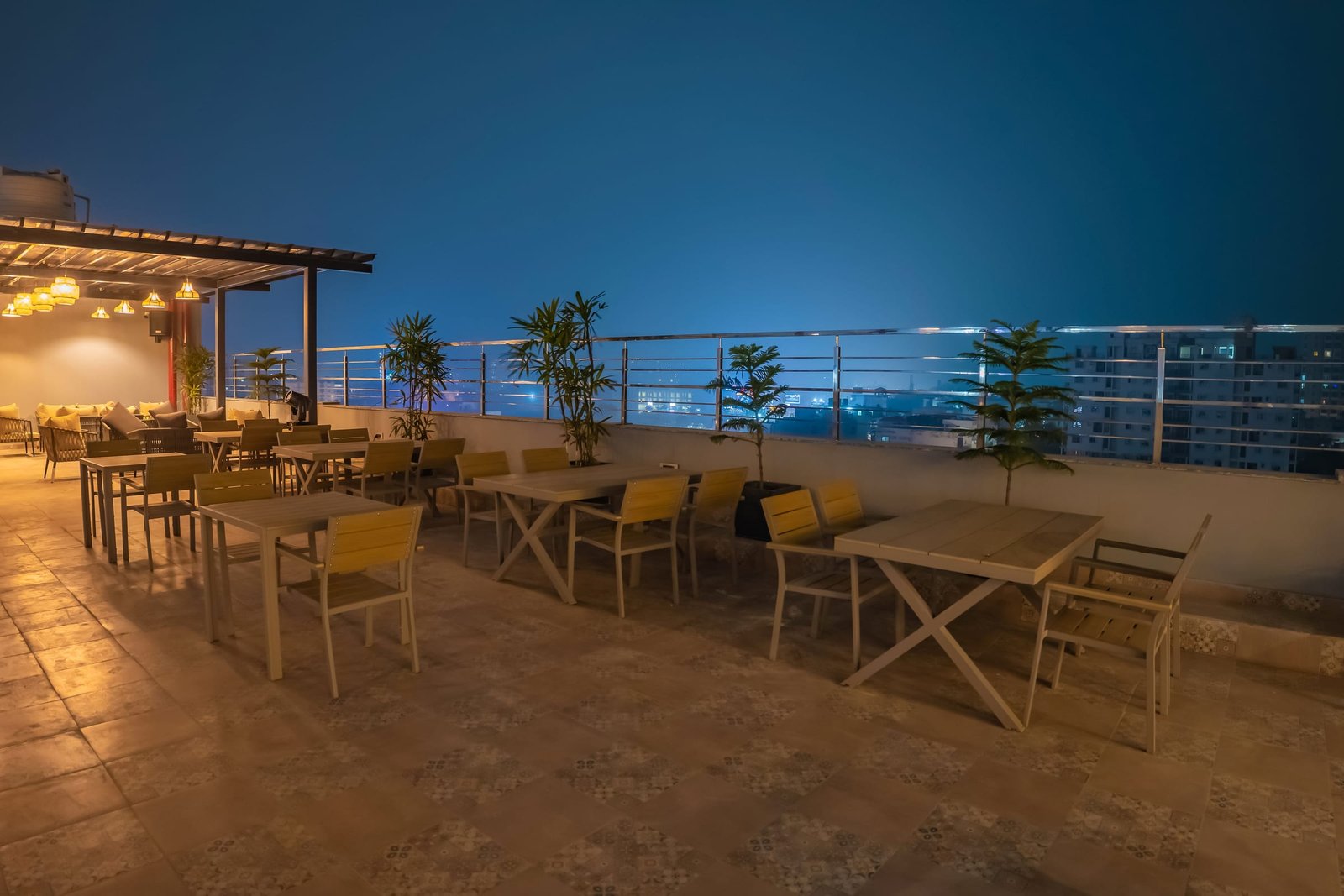
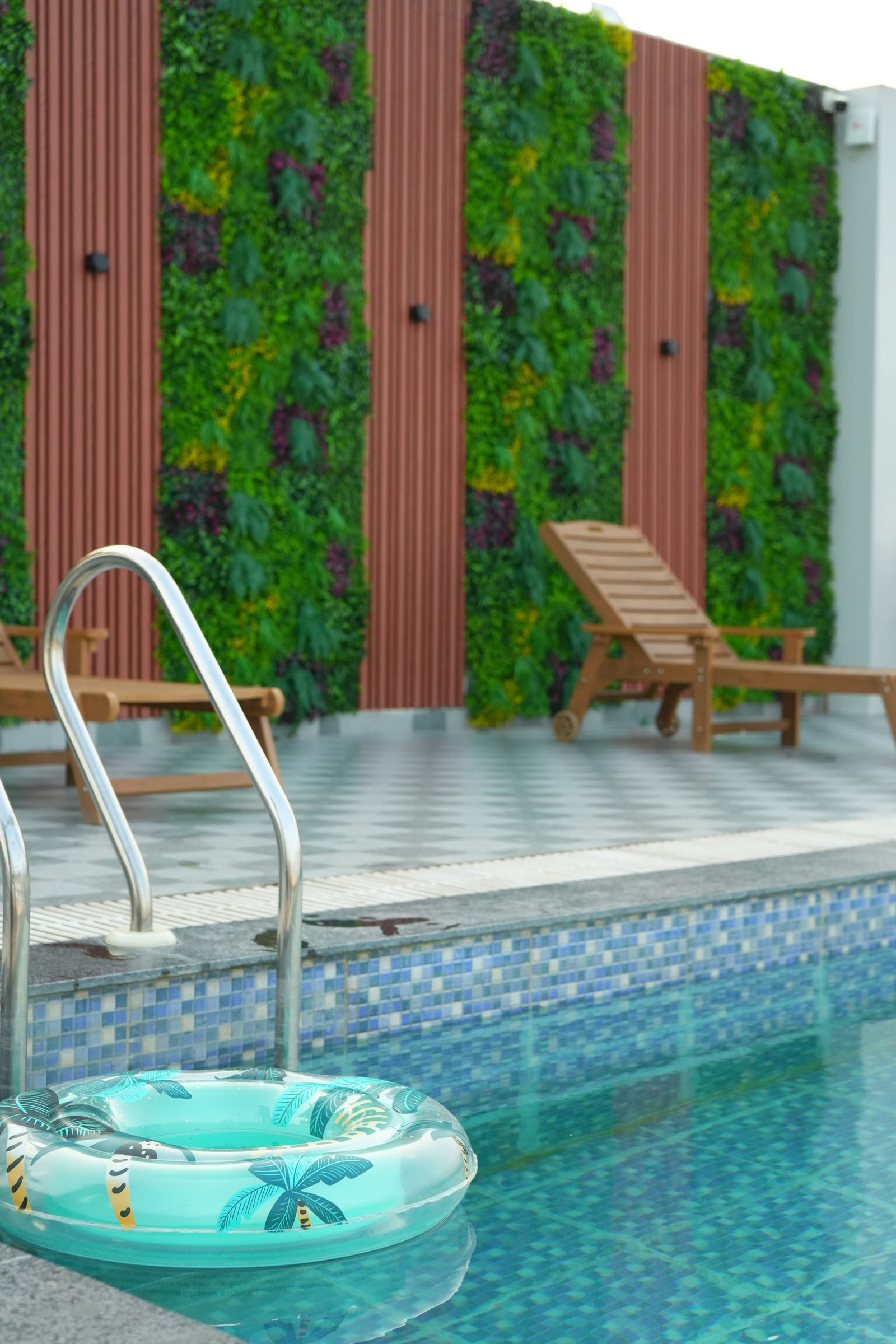
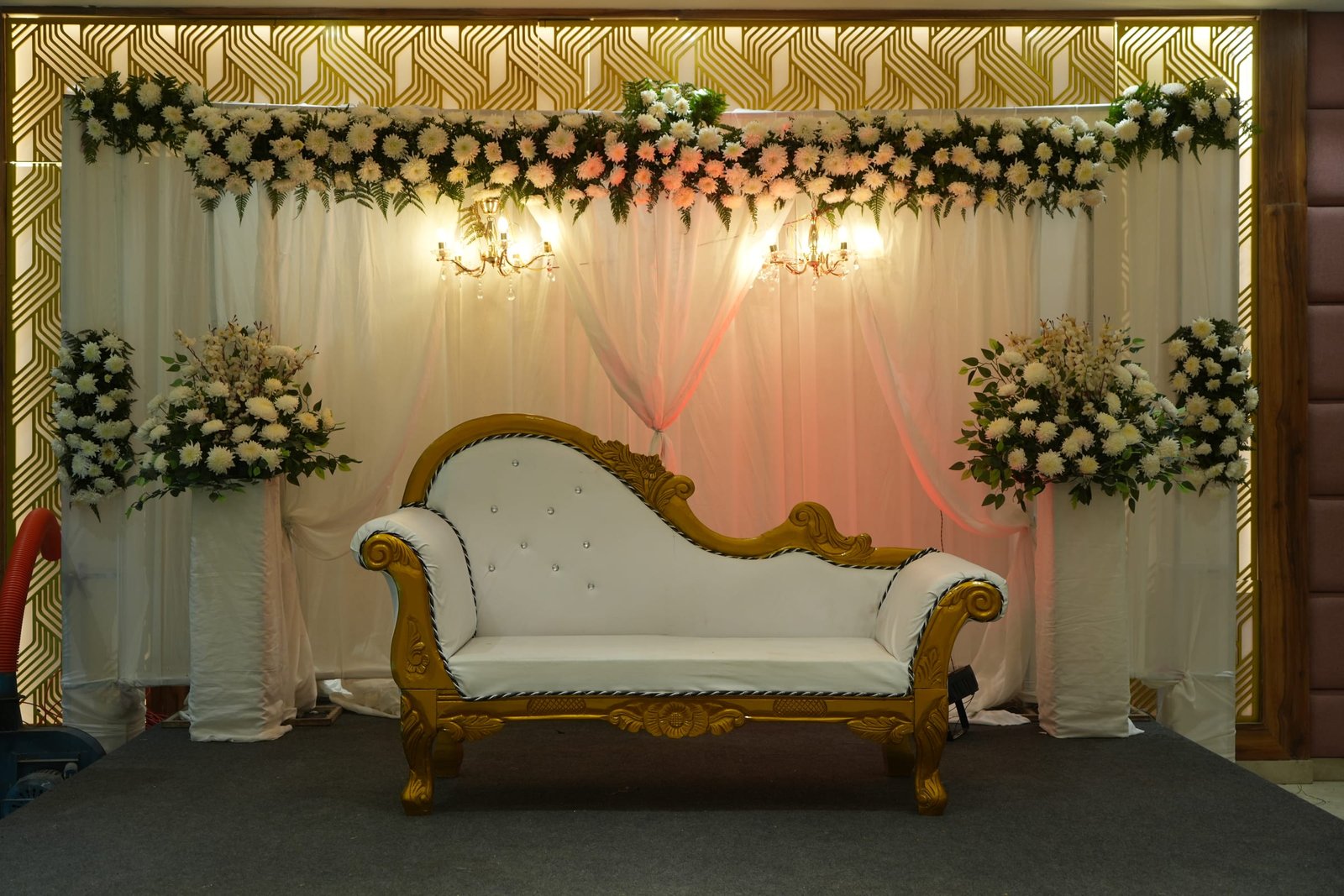
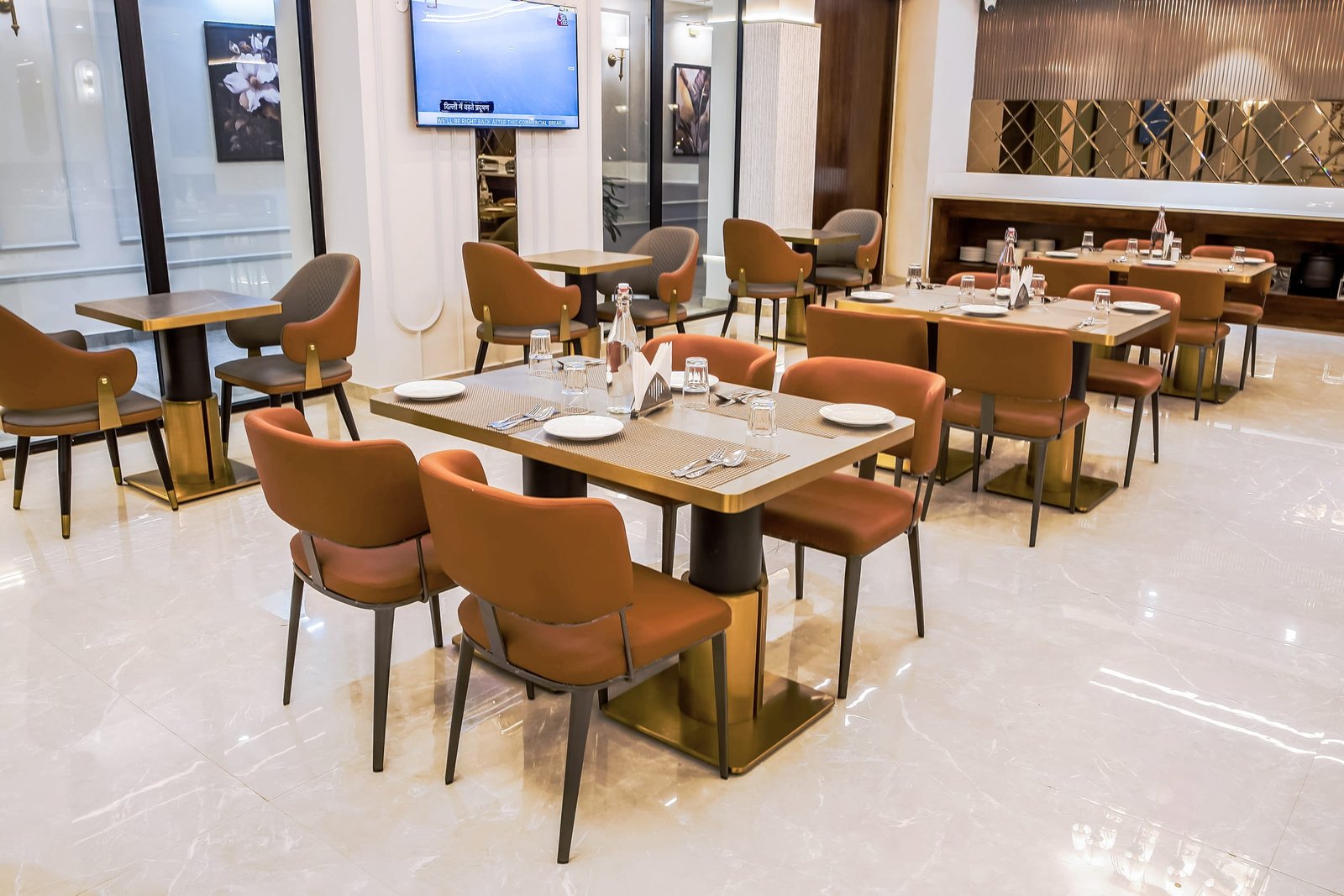
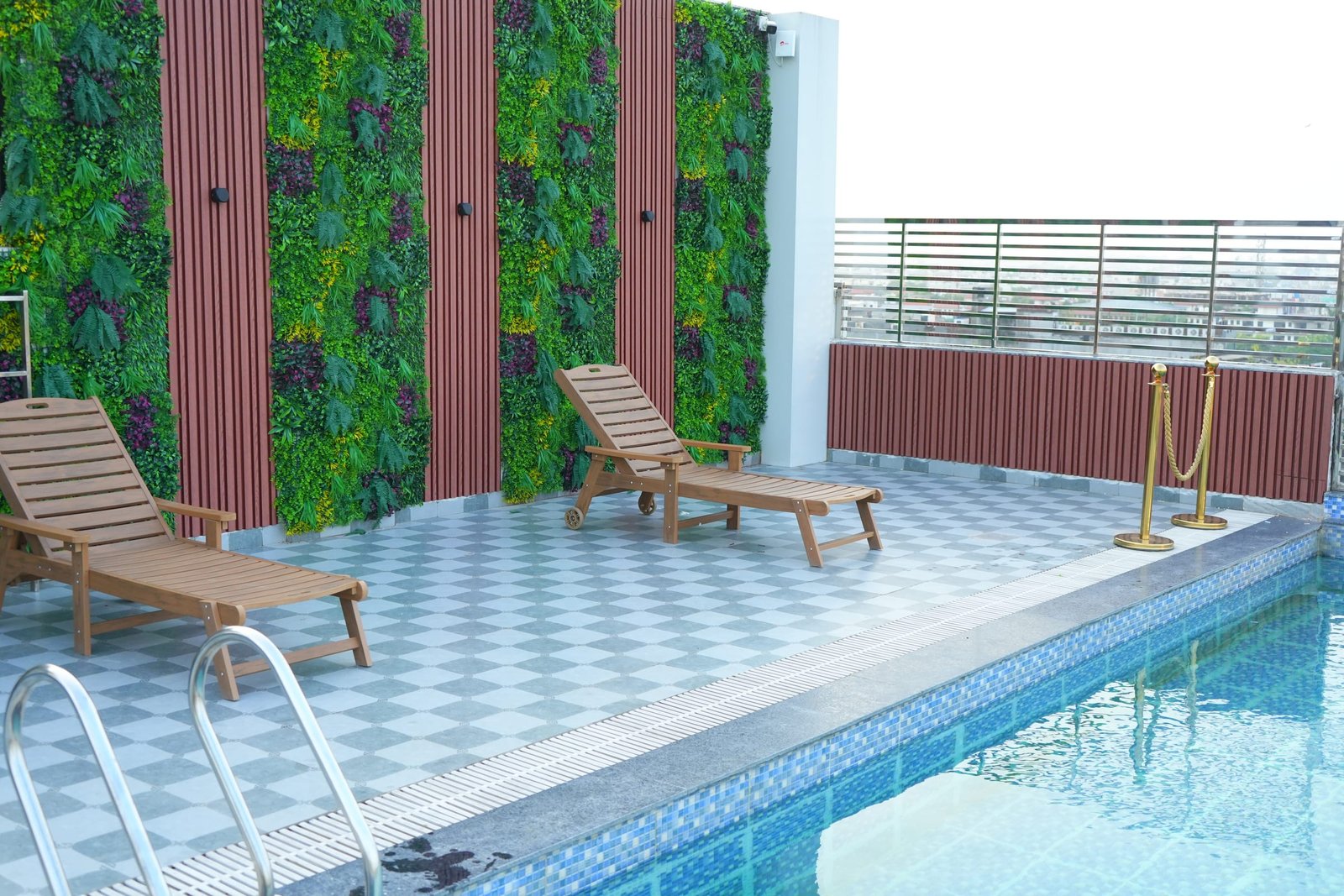
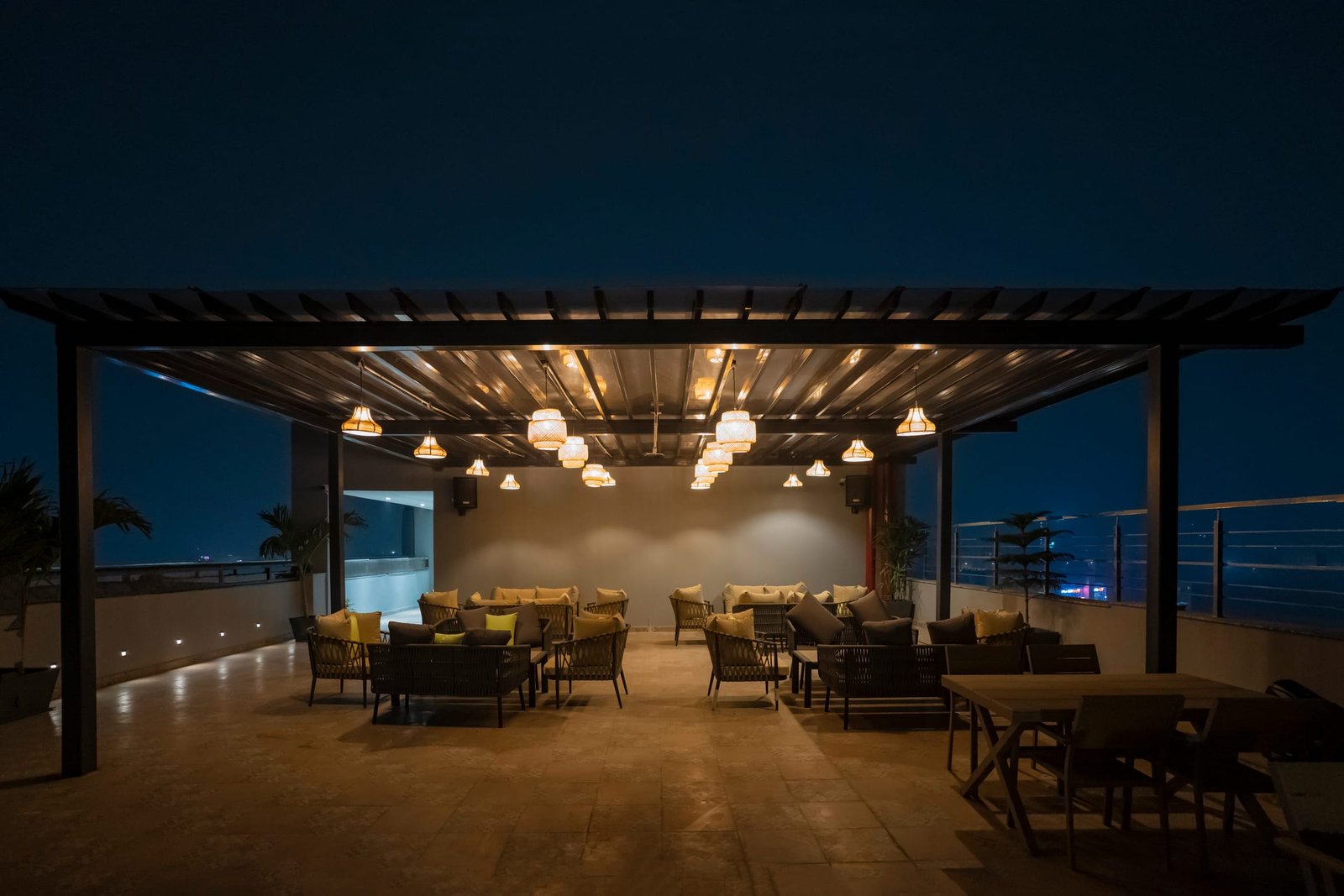
A hotel is not a brand template dropped onto a plot of land. What
works in a business district fails in the foothills, and the room
that suits a wedding party is the wrong room for a Tuesday meeting.
So each house is drawn around the place it stands in — and what
stays constant is the part no brochure describes. How fast the
phone is answered. How well the bed is made.
Each destination page covers the place first, and the hotel second.
A place is published when there is a property in it worth travelling
for — not to fill a map.
The kitchen answers to the market, not the menu card
Every Ambiora kitchen is built around what its region grows and how
that region actually eats. A property in Punjab cooks differently
from one in the hills, and the menus are allowed to say so.
Wellness at Ambiora runs from a full spa at one property to nothing
more than quiet ground and good air at another. The site shows only
what a property actually offers — no shared list of services that
half the portfolio cannot deliver.
Highway Huts was built from bamboo and sits inside working organic
gardens, which sets a baseline the rest of the group is measured
against: source close to the property, use less water and power than
the category expects, and keep money in the local economy.
Energy, water, waste and local-sourcing figures appear here as each
property is audited. None has been yet, so none is printed.
Writing about the places the hotels sit in — what is worth eating,
who makes things locally, and when to go. The journal opens with
its first published piece.